
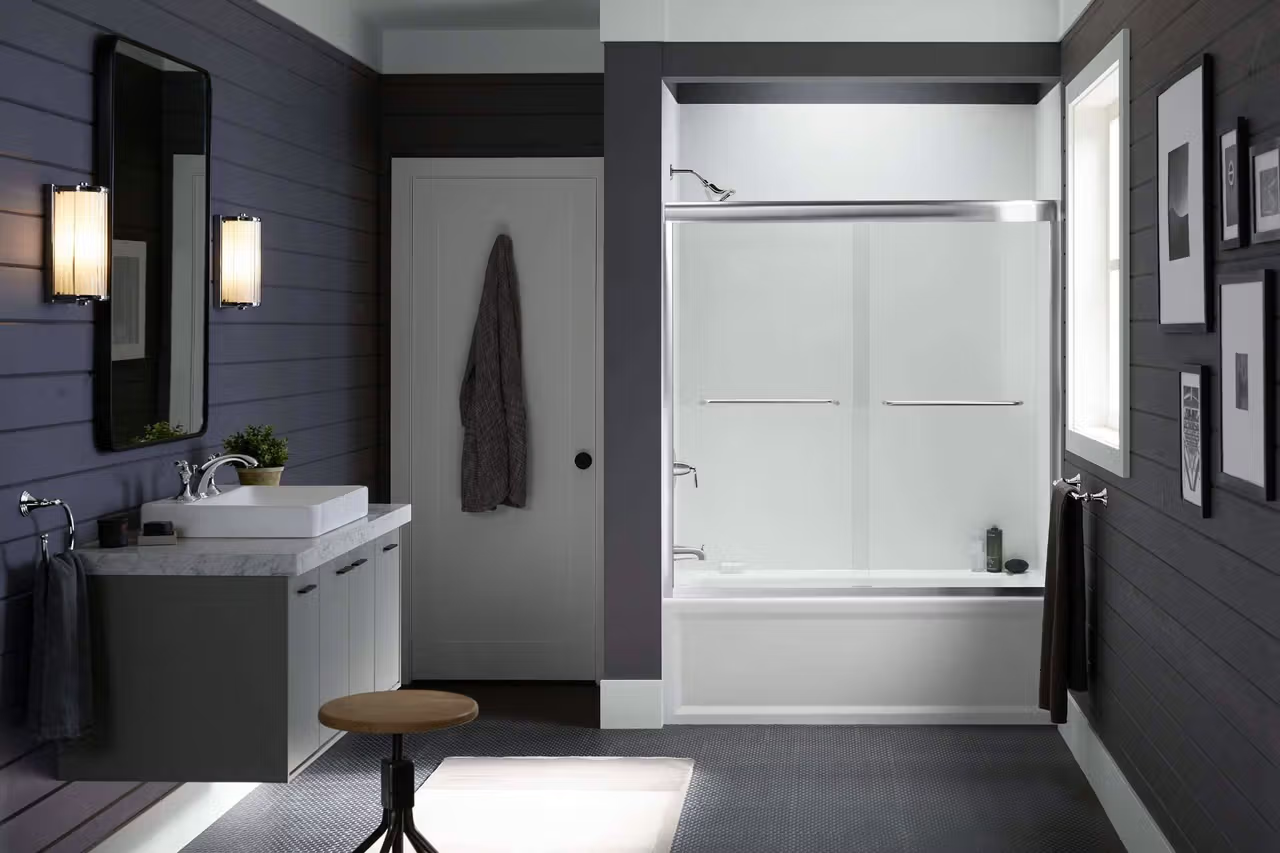
Homeowners often view the process of updating a bathroom as a simple matter of selecting new finishes and choosing fixtures that look appealing in a showroom. It is common to assume that the primary challenge lies in picking the right tile or vanity style. However, the reality of a home renovation is often far more nuanced, involving complex considerations regarding existing structures, plumbing integration, and long-term utility. Understanding these elements can significantly influence how well a project progresses and whether the final result meets the needs of those living in the space.
Rethinking common assumptions about home upgrades
A frequent misconception is that any bathroom space can be easily transformed into a modern, spa-like environment without significant structural changes. While aesthetic updates are certainly possible, many older properties in this region possess hidden constraints that influence what is feasible. Walls might house plumbing stacks or electrical conduits that cannot be moved without substantial labor, and subfloors often require reinforcement to support the weight of heavier materials like stone or soaking tubs.
Furthermore, many people assume that the planning phase is merely about layout sketches. In practice, the preparation stage requires a thorough understanding of how the room interacts with the rest of the home’s mechanical systems. Bathroom remodeling in Eugene, Oregon requires attention to how humidity is managed in the local climate, as effective ventilation is critical to preventing long-term damage in spaces where moisture can linger. Ignoring these technical realities early in the process often leads to complications once the walls are opened and the project is underway.
What typically matters more than aesthetic trends
While visual appeal is understandably important, the functional longevity of the bathroom depends on choices that remain invisible once the work is complete. For residents of the area, moisture management and material durability are generally more impactful than the latest design fads. The way a shower is waterproofed, the quality of the grout, and the integration of the drainage system are the factors that determine whether a renovation remains in good condition or begins to show signs of wear within a short timeframe.
Investing in high-quality materials for the "hidden" parts of the project often provides better value than selecting premium surface finishes while skimping on structural components. When considering a home depot bathroom remodel in Eugene, Oregon, it is beneficial to think about how different materials handle temperature fluctuations and regional humidity levels. For instance, some flooring options are more resilient to the expansion and contraction typical in various seasonal conditions. Selecting components with a focus on maintenance-free operation can reduce the need for future repairs, allowing the homeowner to focus on enjoyment rather than upkeep.
How to distinguish quality in the planning process
Discerning between high-quality workmanship and temporary fixes often comes down to the questions a homeowner asks their provider during the consultation phase. A thorough professional should be able to explain the "why" behind their recommendations rather than simply confirming that an idea is possible. If a provider suggests a specific layout or material, ask how that choice addresses common issues like potential leaks, future accessibility, or long-term structural integrity.
When planning for bathroom remodeling in Eugene, Oregon, it is helpful to ask the following types of questions:
- How does the proposed ventilation system handle moisture to prevent long-term damage?
- What measures are taken to ensure the subfloor is prepared for the specific type of tile or fixture being installed?
- In what ways does the design account for potential changes in the household’s needs over the coming years?
- How are plumbing and electrical updates coordinated to meet current standards while remaining compatible with the rest of the home?
Transparency is a hallmark of a thoughtful renovation. A professional should be comfortable discussing the limitations of a space and explaining the trade-offs between different design choices. This communication builds trust and ensures that the final plan is rooted in sound reasoning rather than mere convenience.
Reframing your approach to bathroom renovations
It is helpful to shift the mindset from viewing a project as a series of shopping tasks to seeing it as an opportunity to improve the home’s structural health and daily utility. A successful renovation serves as a long-term investment in the property. Instead of focusing entirely on immediate visual changes, consider how the new layout might support better habits, easier cleaning, and improved safety.
For many, the most effective approach involves a phased way of thinking: prioritizing the integrity of the underlying systems first, followed by the functionality of the fixtures, and finally the aesthetic finishes. This approach helps avoid the common frustration of realizing, mid-project, that a preferred design element is incompatible with the existing plumbing or electrical infrastructure.
When searching for the right resources for a bathroom remodel in Eugene, Oregon, look for partners who emphasize assessment and planning as heavily as execution. A focus on clear communication and careful evaluation of the home’s existing conditions typically leads to a much smoother experience. The goal is to create a space that feels refreshed and updated while ensuring that the infrastructure supporting it is robust and reliable. By taking the time to understand the nuances of the space and prioritizing long-term functionality, homeowners can feel more confident that their efforts will provide lasting value and satisfaction. Ultimately, a well-considered renovation is not just about changing how a bathroom looks, but fundamentally improving how it serves the household every single day.