
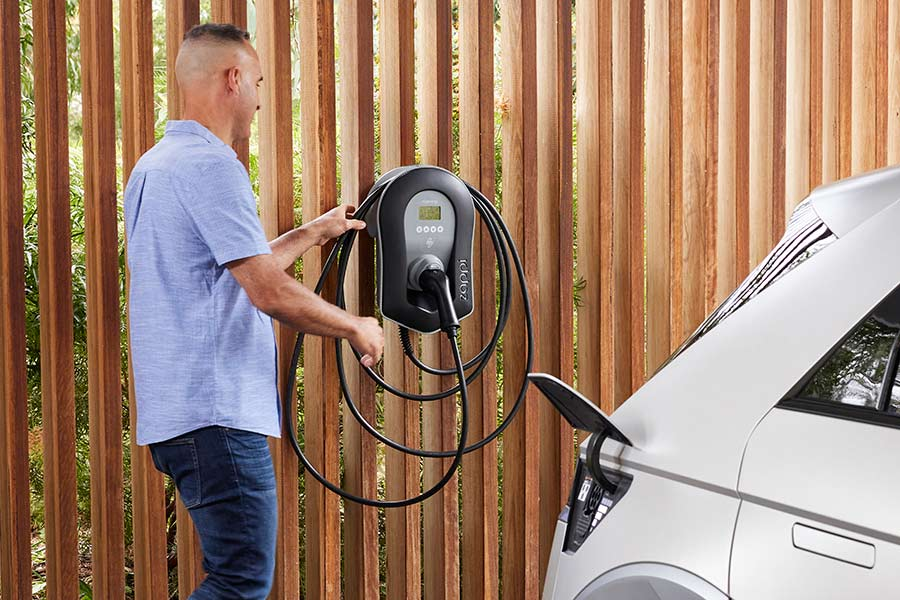
The transition to an electric vehicle often begins with a quiet realization: the convenience of charging at home is fundamentally different from relying on public infrastructure. You arrive home, plug in your vehicle, and start the next day with a full battery. It is a seamless shift in routine, yet the process of moving from that initial desire to a functional, safe, and efficient home charging setup involves several practical considerations that every homeowner should weigh before beginning.
The Technical Reality of Powering Your Vehicle
The challenge with integrating an electric vehicle into a home setup often stems from the electrical capacity required to charge a battery pack effectively. Unlike standard household appliances that pull relatively low amounts of energy, a vehicle charger typically operates at a high constant current for several hours at a time. This sustained load places specific demands on the existing electrical service.
In many residential settings, the primary concern is the available capacity of the main electrical panel. Homes with older wiring or panels that are already near their peak load may require an upgrade to accommodate the consistent draw of a high-speed charger. The process generally involves an evaluation of the panel to determine if it can safely handle the new circuit without causing issues with other household systems. It is rarely as simple as adding a new outlet; it is about ensuring the entire electrical infrastructure can support the addition of a significant, high-demand appliance.
How the Installation Process Generally Works
The path to a functional charging station typically follows a logical sequence. It begins with a site assessment, where an electrical professional examines the proximity of the electrical panel to the desired installation location. The distance between these two points determines the complexity of the cable run and the amount of materials required to complete the installation safely.
Once the path is planned, the technician determines the specific hardware requirements. This includes selecting the correct circuit breaker, the appropriate gauge of wire to prevent overheating over long distances, and the installation of a dedicated circuit to isolate the charger from other home functions. Throughout this phase, the focus remains on adhering to safety protocols, ensuring that connections are secure and that the equipment is mounted in a way that protects both the hardware and the home. Once the wiring is installed and the charger is mounted, the final step involves testing the circuit to verify that it provides the expected output consistently and safely.
Key Factors That Shape Your Charging Experience
Several variables influence how well an installation will perform over the long term. One significant factor is the distinction between different charging levels. While the basic equipment provided with many vehicles can often plug into a standard wall outlet, this is typically the slowest method of charging. Many homeowners choose to install a more robust system that can significantly reduce charging times, allowing the battery to replenish more rapidly overnight.
Another key consideration is the location of the charger relative to the vehicle's charge port. Cables have a finite length, and if the charger is mounted on the wrong side of the garage or too far from the parking position, it can create daily frustration. Planning the exact spot where the vehicle will park and accounting for the cable's reach helps ensure that using the system remains an effortless part of your daily routine.
Environmental factors also play a role. If the charger is located in an area exposed to significant temperature swings, moisture, or dust, the longevity of the equipment may be affected. Choosing a location that offers some protection from the elements, while still remaining accessible, can help preserve the integrity of the unit.
Practical Ways to Approach Your Installation Well
When you are ready to move forward with electric vehicle charger installation, approaching the task with a focus on preparation can lead to a much smoother experience. Start by gathering information about your home’s electrical layout. If you know the age of your electrical panel or have had recent electrical work done, sharing these details with a service provider can help them understand the scope of the project before they arrive.
It is also helpful to clarify your specific needs. Ask yourself how much range you typically use in a day and how quickly you need the battery to reach full capacity. This information helps a technician recommend the right level of hardware, preventing you from over-investing in equipment you may not need or under-investing in a system that won't meet your daily demands.
When you begin searching for electric vehicle charger installation near me, look for providers who emphasize clear communication. A knowledgeable installer should be willing to explain the logic behind their recommendations, discuss the limitations of your current setup, and outline exactly what steps they will take to ensure the installation is safe. They should be able to answer questions about the specific wiring requirements and help you understand any necessary adjustments to your panel.
The most successful installations are those where expectations are aligned from the start. A thoughtful homeowner will prioritize a provider who performs a thorough walkthrough of the site rather than one who provides a quick estimate over the phone. By focusing on safety, capacity, and long-term utility, you can ensure that your home charging setup provides reliable service for years to come.
Taking a sensible next step involves reaching out to a local professional to discuss the particulars of your home's electrical capacity. A brief conversation or a site visit can clarify whether your home is ready for a new charger or if a few adjustments are needed first. Addressing these details early on is the best way to ensure that your home charging experience is consistent, safe, and built to support your vehicle's needs over the long term.