
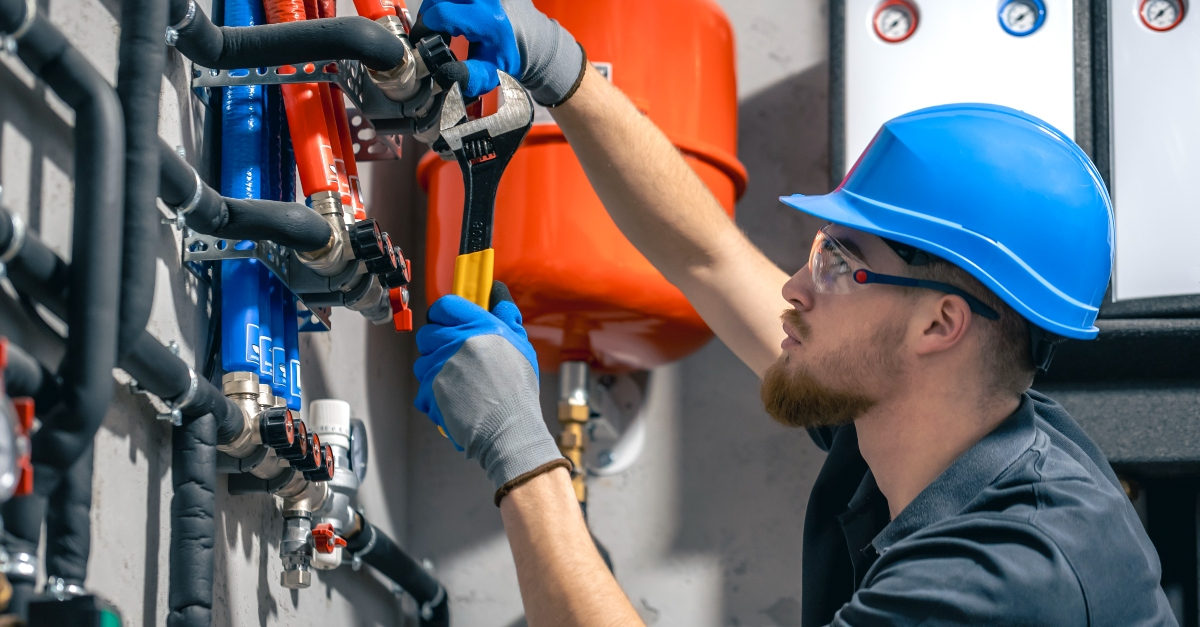
Deciding when to call for professional assistance with plumbing is a choice that often involves weighing the immediate urgency of a situation against the potential for future complications. Property managers and homeowners typically find themselves balancing the need for quick, reliable resolution with the desire to manage maintenance costs effectively. Recognizing the distinction between routine upkeep and the necessity for specialized, high-capacity intervention is a critical step in maintaining a functional infrastructure.
Assessing the Scope and Complexity of Plumbing Needs
The primary distinction in plumbing service requirements often relates to the scale of the system involved. Residential environments typically feature standardized fixtures and piping configurations, where most issues involve localized blockages, seal failures, or standard pipe degradation. These scenarios are frequently manageable through conventional service calls.
In contrast, commercial plumbing environments are generally engineered for high-frequency usage, broader demand, and more complex regulatory considerations. These systems often include grease traps, multi-story drainage networks, and specialized water supply configurations. When a failure occurs in a commercial setting, the implications can be broader, potentially impacting tenant operations, sanitation compliance, and physical property integrity. Understanding the scope—whether the problem is isolated to a single fixture or suggests a deeper issue within a main line—is essential for determining the type of expertise required.
Technical Approaches to System Maintenance and Repair
Professional service providers typically employ a variety of diagnostic and remedial techniques depending on the nature of the issue. For general maintenance, visual inspections and basic mechanical clearing are often sufficient to keep systems operating smoothly. However, when persistent issues arise, technicians often transition to more intensive methodologies.
One common diagnostic tool is camera inspection. By feeding a small, high-definition camera into a pipe, a technician can often see exactly what is obstructing a line or where a structural defect, such as a joint separation or corrosion, may be occurring. This visualization helps in targeting the repair rather than relying on guesswork.
When it comes to addressing blockages, professional teams often utilize high-pressure water systems. This technique involves using a stream of water to clear debris, scale, or accumulated material from the interior of pipes. Unlike traditional mechanical cabling, which may simply poke a hole through an obstruction, high-pressure washing can often clean the pipe walls more thoroughly. For commercial properties, these techniques are frequently integrated into a larger maintenance schedule to ensure that the infrastructure remains capable of handling the volume required by daily business operations.
Factors Influencing the Decision to Seek Specialized Services
Several considerations generally tip the balance toward requesting professional service rather than attempting a DIY approach. The primary factor is the potential for collateral damage. Plumbing systems are inherently pressurized and connected; an attempt to clear a line in one area can, if handled improperly, lead to significant leaks or backups in another.
Another consideration is the age and material composition of the existing pipes. Older plumbing systems may have thinner walls or different material characteristics that are more susceptible to damage from standard tools or chemical agents. A technician with experience in older or specialized systems can often identify the material and determine the most appropriate method for cleaning or repair to avoid causing a fracture.
Furthermore, compliance and safety are significant considerations for commercial operations. Systems that handle waste or public water supply are subject to standards that ensure the safety of the facility and its occupants. Professional plumbers, particularly those experienced in commercial plumbing services, are typically well-versed in the necessary steps to ensure that repairs meet standard functional expectations, reducing the risk of future liability or operational disruption.
Aligning Maintenance Strategies with Specific Facility Requirements
Every property has a distinct maintenance profile based on its age, usage patterns, and the configuration of its water-carrying systems. A proactive approach involves more than just reacting to failures; it includes evaluating the system's current condition and planning for its eventual needs.
For those responsible for residential or business properties, establishing a relationship with a qualified service provider can be a helpful strategy. This allows for the development of a documented history of the system, which makes diagnosing future issues significantly faster and more accurate. Ask a potential provider about their experience with systems similar to yours and how they approach routine inspections.
Inquiry is a powerful tool when evaluating a plumbing repair service. A thoughtful property owner should ask:
- What diagnostic tools are available to assess the internal condition of the pipes?
- How does the provider document their findings, and what information is shared with the client after an inspection?
- What are the considerations for properties with specific usage demands, such as high-volume kitchens or older infrastructure?
By focusing on clear communication and understanding the mechanism of the plumbing in question, you can shift from a cycle of crisis management to one of informed, planned maintenance. Ultimately, the choice to involve a professional is an investment in the long-term reliability of the property, ensuring that the hidden systems that support daily life remain stable, functional, and efficient.